
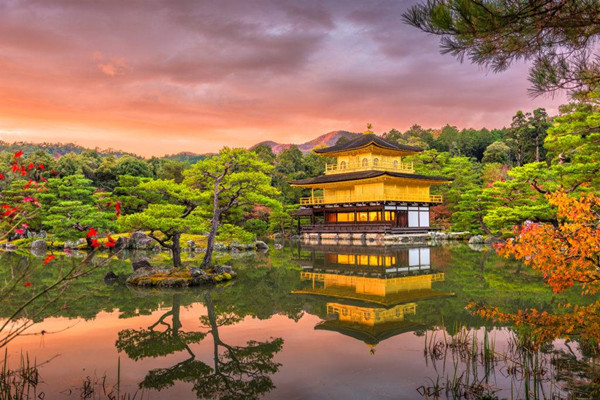
Kinkaku-ji (Golden Pavilion) officially named
Rokuon-ji, is one of Kyoto's most iconic landmarks.
This Zen Buddhist temple is famous for its stunning
Golden Pavilion (Kinkaku), a three-story structure
whose top two floors are completely covered in gold
leaf . The pavilion gracefully overlooks a large
mirror pond (Kyoko-chi), designed to perfectly
capture its reflection, creating a breathtaking view
that changes with the seasons . Originally built as
a retirement villa for Shogun Ashikaga Yoshimitsu in
the 14th century, it was converted into a Zen temple
according to his will . A walk through its
meticulously maintained gardens offers a harmonious
blend of architecture and nature, making it a
must-see for any visitor.
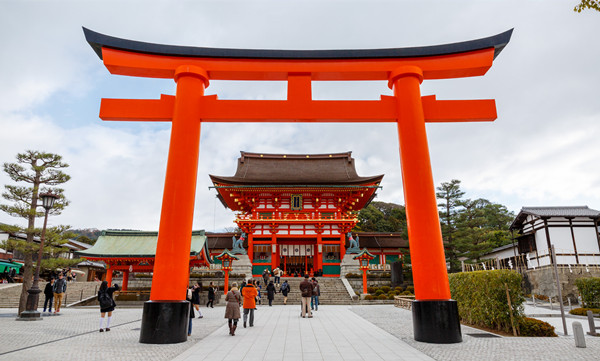
Fushimi Inari-taisha is Kyoto's most important Shinto shrine and is famed for its thousands of vibrant red torii gates. These gates form a mesmerizing network of trails that wind up the sacred Mount Inari . The shrine is dedicated to Inari, the god of rice, sake, and prosperity, and is easily recognized by the many fox statues (kitsune) on the grounds, believed to be the god's messengers . The journey to the top of the mountain takes about two to three hours and is dotted with smaller sub-shrines and scenic viewpoints overlooking Kyoto . For a truly magical and serene experience, it is best to visit early in the morning or later in the afternoon to avoid the largest crowds
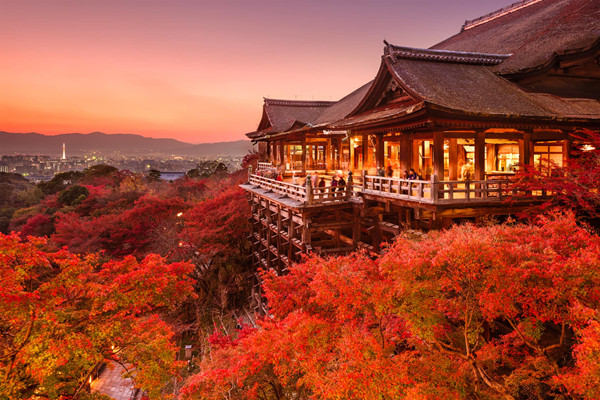
Kiyomizu-dera, whose name means "Pure Water Temple," is a magnificent UNESCO World Heritage site perched on a hillside in eastern Kyoto . It is celebrated for its vast wooden stage that juts out from the main hall, 13 meters above the hillside, offering panoramic views of the city and the surrounding cherry and maple trees . Remarkably, this impressive structure was built without the use of any nails . Below the main hall flows the Otowa Waterfall, where visitors can drink from three separate streams of water, each believed to bestow a different blessing: longevity, academic success, and a fortunate love life . The approach to the temple via the historic, preserved streets of Sannenzaka and Ninenzaka is an experience in itself, filled with traditional shops and teahouses.
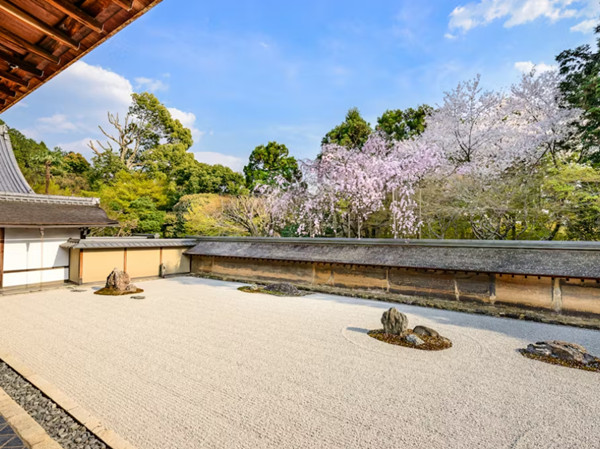
Ryoan-ji Temple Rock Garden is a Zen temple and UNESCO World Heritage site that is home to Japan's most famous rock garden, or karesansui (dry landscape garden) . The garden is a masterpiece of simplicity and abstraction: a rectangular plot of carefully raked white gravel surrounding 15 moss-covered boulders. The arrangement is such that, from any vantage point, at least one of the 15 stones is always hidden from view, a concept that invites contemplation on the limits of human perception . The meaning of the garden is left intentionally ambiguous, with theories suggesting it represents islands in an ocean, mountains in a sea of clouds, or a deeper Zen puzzle for the viewer to solve . This profound sense of mystery and tranquility makes Ryoan-ji a powerful place for quiet meditation
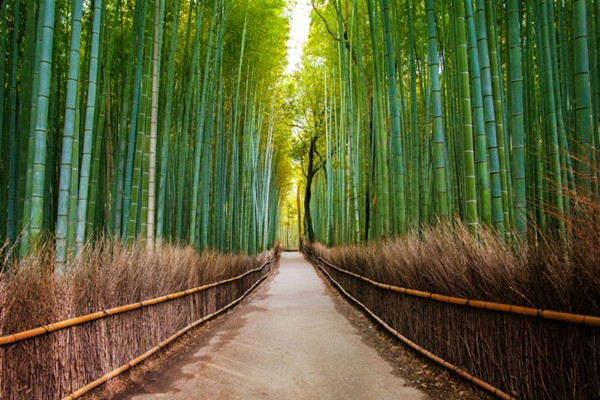
Arashiyama Bamboo Grove is an otherworldly natural attraction in western Kyoto. Walking through this towering grove, where massive bamboo stalks sway gently overhead, is a serene and unforgettable experience . The path, which runs from the north gate of Tenryu-ji Temple, creates a unique atmosphere of filtered light and rustling sounds—the sound of wind through the bamboo has even been recognized by the Japanese government as one of the "100 Soundscapes of Japan" . The best time to visit is early in the morning when the light is most enchanting and the paths are blissfully uncrowded . The grove is part of the larger Arashiyama district, which also features the Togetsukyo Bridge and the historic Tenryu-ji Temple .